

Is a Duplex the Smartest Downsizing Strategy? What to Consider Before You Commit
There’s been a quiet shift in how people are thinking about downsizing.
It’s no longer just about moving into something smaller. For many, it’s about rethinking how their existing property can work harder for them… financially, functionally & spatially, and long term.
One option that keeps surfacing in these conversations is the duplex - not as a traditional development play as such, but as a more considered way to stay, simplify, and plan ahead.
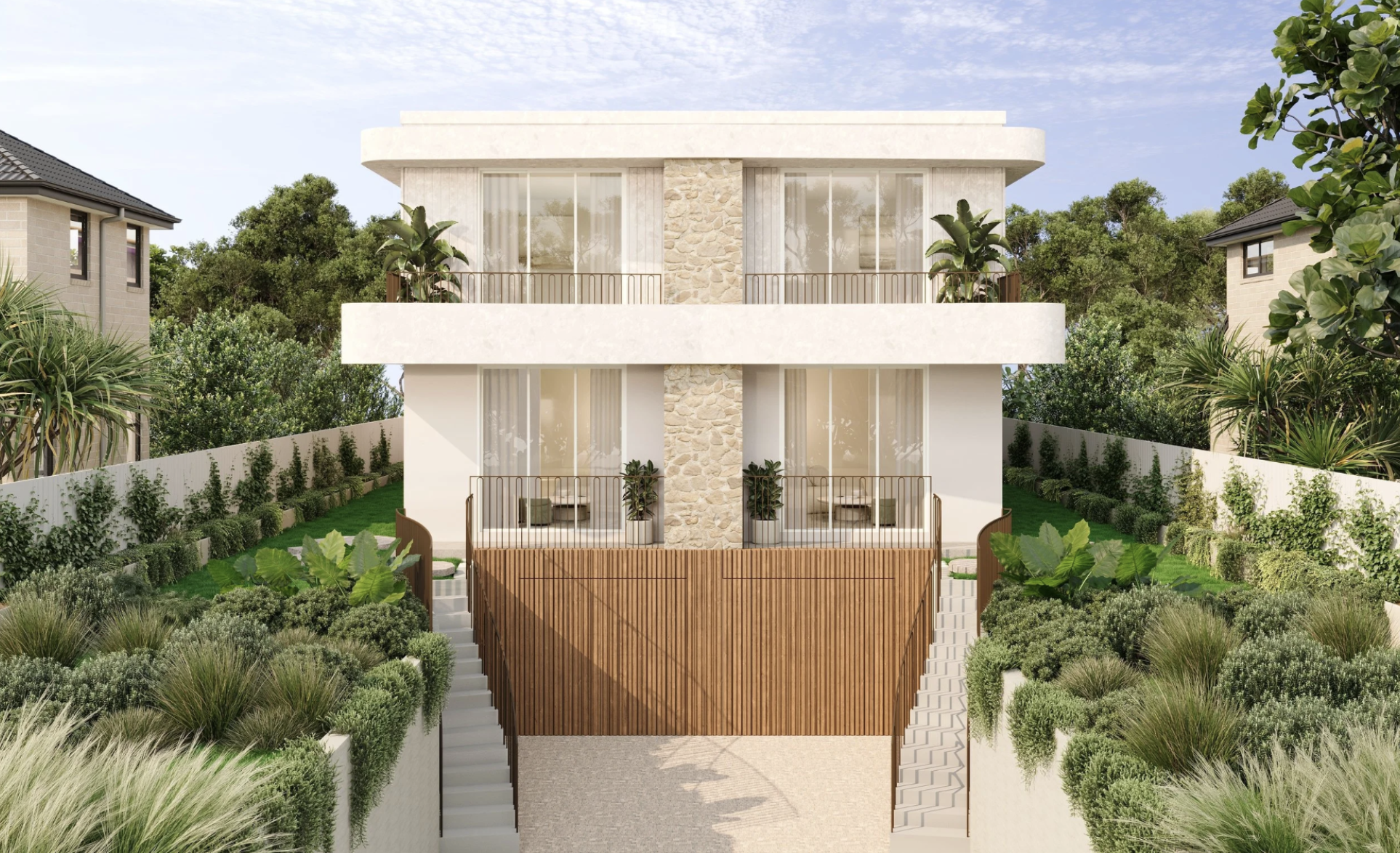
Coming soon : Elevée in Freshwater
Why duplexes are entering the downsizing conversation
Across NSW, we’re seeing a gradual rebalancing of housing types. Detached homes still dominate, but there’s a growing appetite for something in between : homes that feel generous, but are easier to manage.
According to the Australian Bureau of Statistics, medium-density housing, including townhouses and duplexes, has been steadily increasing as a proportion of new dwellings. At the same time, household sizes are shrinking, and more people are living in smaller, more flexible arrangements.
There’s also a more personal layer to it. People don’t necessarily want to leave the neighbourhoods they know. They’ve built lives there : schools, routines, friendships, proximity to family. Downsizing, in the traditional sense, often means giving that up.
So the question becomes less about where do we go? And more about how can we make this place work better for what’s next?
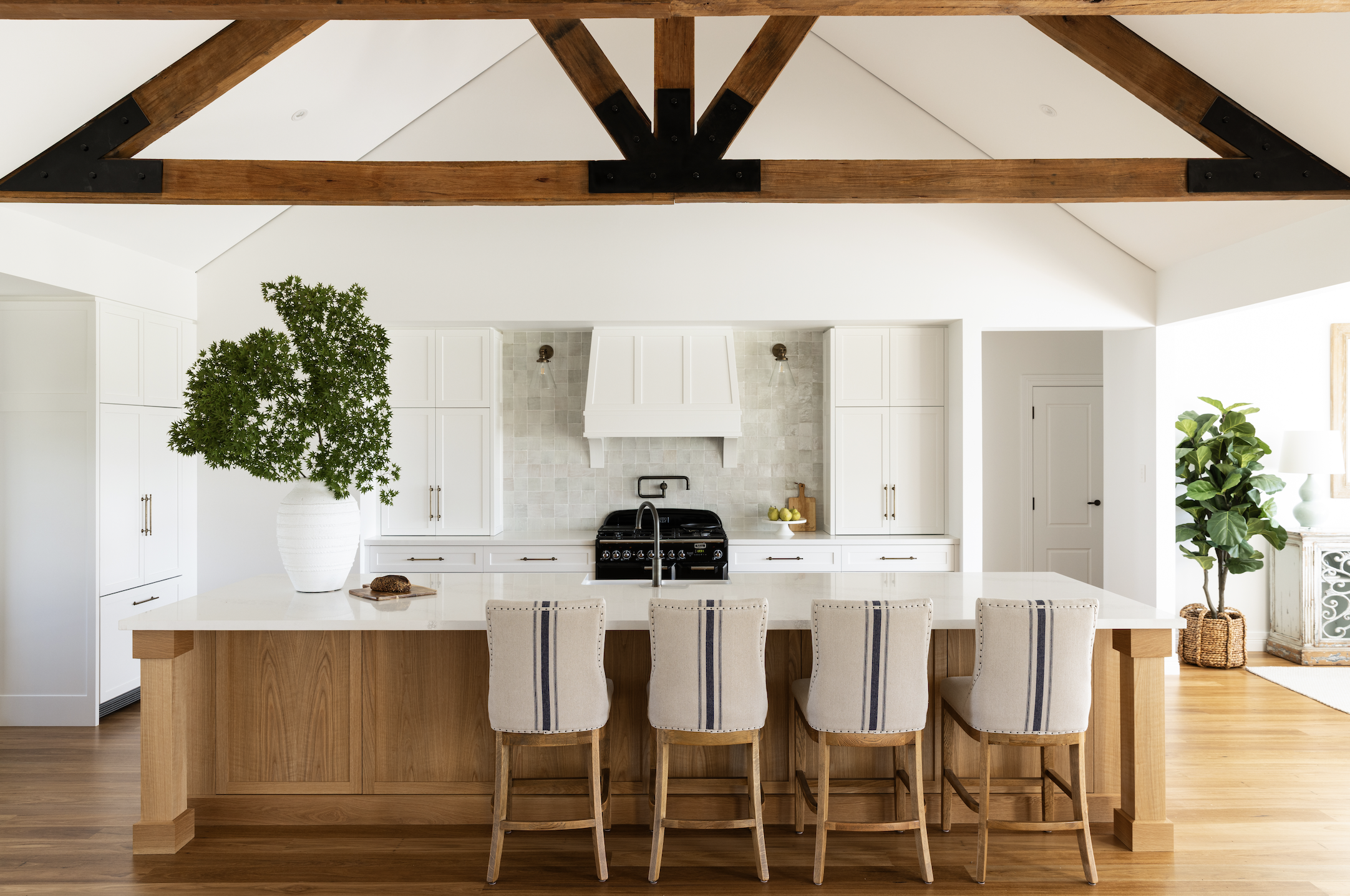
What does downsizing via a duplex actually look like?
There’s no single model, and that’s part of its appeal. For some, it’s about releasing equity without leaving. For others, it’s about creating a second income stream, or building in flexibility for the future.
The most common approach is to redevelop the site into two dwellings, then either sell one or retain it. But what’s interesting is how often the decision isn’t purely financial. It’s about control.
Control over where you live, the lifestyle the property supports, how much space you maintain, what the next decade might look like. In that way, “downsizing” doesn’t feel like a compromise. It feels like a recalibration.
The planning landscape in NSW (and why it matters)
This shift isn’t happening in isolation. It’s being supported - and in some ways, encouraged, by planning changes across NSW. The NSW Department of Planning and Environment has been actively promoting more low- and mid-rise housing in established suburbs, particularly in response to housing supply pressures.
Duplexes are sometimes permitted within R2 Low Density Residential zones, and in some cases, can be approved under a Complying Development Certificate (CDC). This pathway can streamline approvals significantly, removing some of the uncertainty and timeframes associated with a full Development Application.
But the reality is more nuanced. Planning controls still shape what’s possible, and more importantly, what’s viable. Minimum lot sizes, frontage widths, setbacks, landscaping requirements, and overlays like bushfire or flood constraints all play a role. And while a site may technically meet the criteria, that doesn’t always translate into a good outcome.
What most people underestimate
This is where projects are often won or lost… long before construction begins.
Site constraints
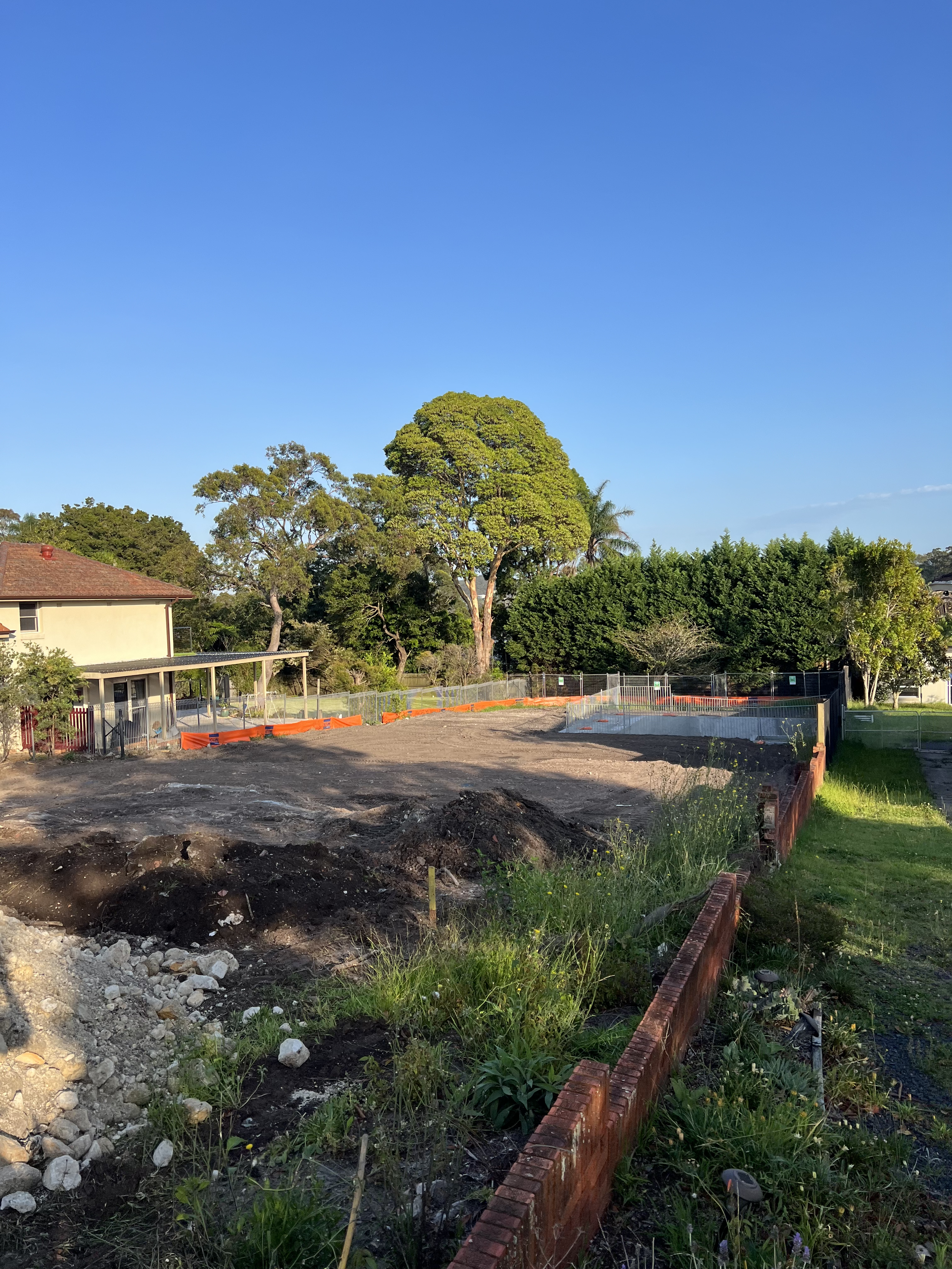
A site might look promising at first glance. Good width. Decent location. Zoning that appears to support a duplex.But once you start unpacking it, other layers emerge.
How does the land (and water) fall?
Where does the light come from?
What happens at the boundaries and what’s going on beneath the soil?
What car parking could be supported, and what easements are there?
These aren’t small details. They shape everything that follows. A site that works with you can make the design feel effortless. A site that fights you… tends to carry that tension all the way through the project.
Design quality
Downsizing is often framed as reduction - less space, less maintenance, less complexity. But in reality, it asks for more considered design. Spaces need to work harder. Storage needs to be intentional. Light and connection become more important, not less. And accessibility needs to be supportive and intuitive.
The success of a duplex, particularly as a downsizing strategy, often comes down to how well it’s planned. Not just in terms of layout, but in how it feels to live in. If the end result feels compromised, the strategy rarely holds up.
Construction realities
There’s also the practical layer. Construction costs across Australia have shifted significantly over the past few years. Data from CoreLogic and Rider Levett Bucknall shows sharp increases between 2020 and 2023, with some stabilisation more recently… but at a higher baseline than before. Recent oil price rises threaten to increase costs across the construction landscape.
What this means in practice is that feasibility needs to be tested carefully. If the strategy relies on selling one dwelling, the numbers need to stack up. If it’s about holding both, the long-term value needs to be clear. Either way, assumptions made early on tend to have a ripple effect later.
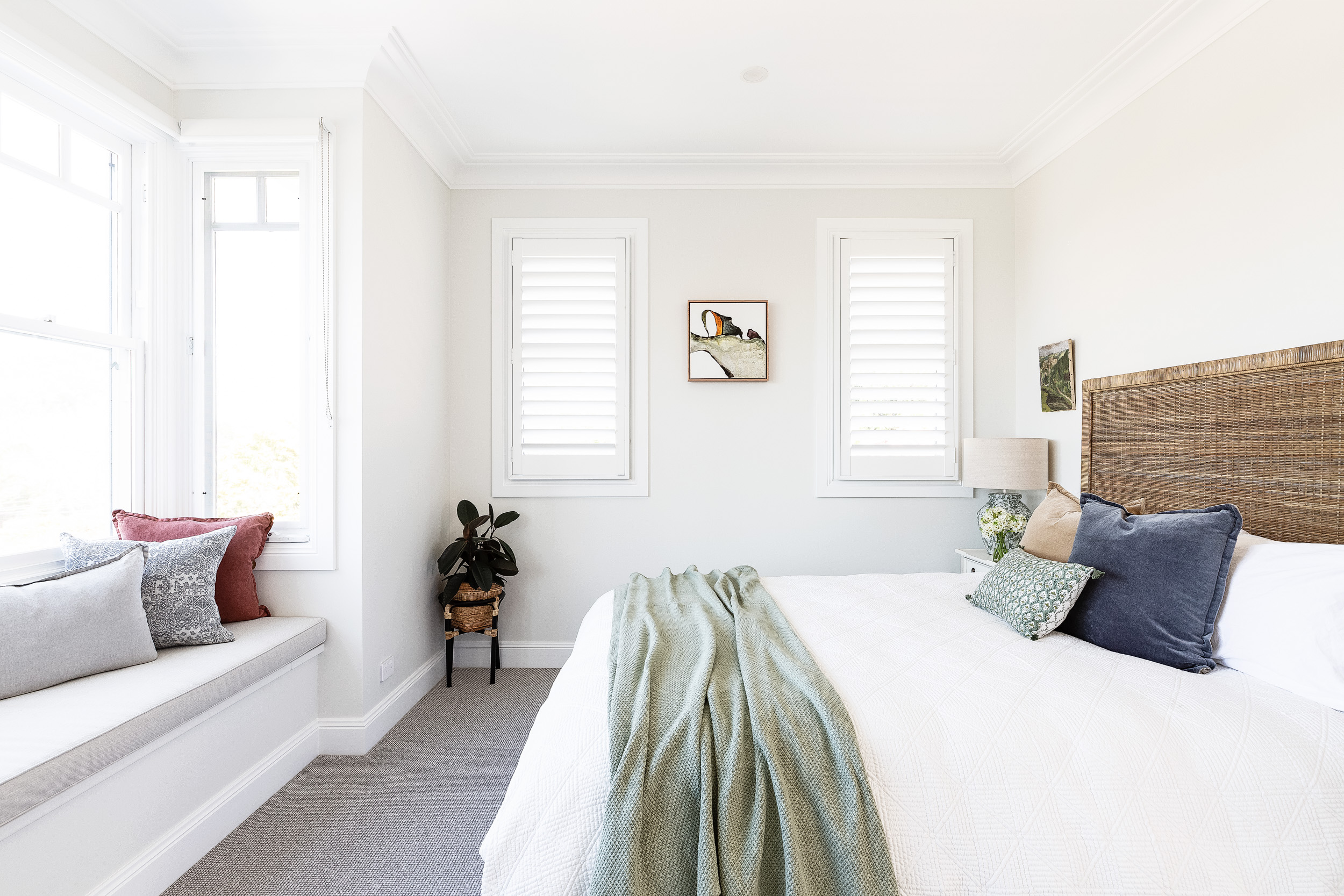
Emotional attachment
This is the part that rarely gets spoken about but often carries the most weight. You’re not just developing a site, you’re making decisions about a home that has likely held years, if not decades, of life. There’s memory and value in that.
That attachment can quietly influence everything from how much change feels comfortable, to how decisions are made about layout, scale, and even materials. For some, there’s a strong pull to retain elements of the existing home. For others, there’s a desire to start fresh, but with a sense of continuity.
Neither is right or wrong. But acknowledging that layer early tends to lead to better decisions, and ones that you’re comfortable with progressing with.
Who should you be speaking to early?
The earlier you bring the right people into the conversation, the clearer the path becomes. A designer or architect can help you understand what the site could become (not just what fits on paper). A town planner or building designer can confirm what’s permissible, and which approval pathway makes the most sense. A builder or quantity surveyor can ground the conversation in cost, giving you a realistic sense of what’s achievable.
And alongside that, financial advisers and real estate agents can help you understand the broader implications that are relevant to your situation - whether that’s holding, selling, or planning for the future.
Each plays a different role. Together, they help you make decisions with clarity.
So… is a duplex the right downsizing move?
Sometimes, yes. When the site is right, and the thinking is considered, it can unlock value - not just financially, but in how the home supports you day to day. But it’s not a universal solution, and the most successful projects rarely begin with the question: Can we fit two dwellings here?
They begin with something more measured. What is the smartest use of this site, for how we want to live next?