

Design in 2026: A Deeper Shift from Style to Substance
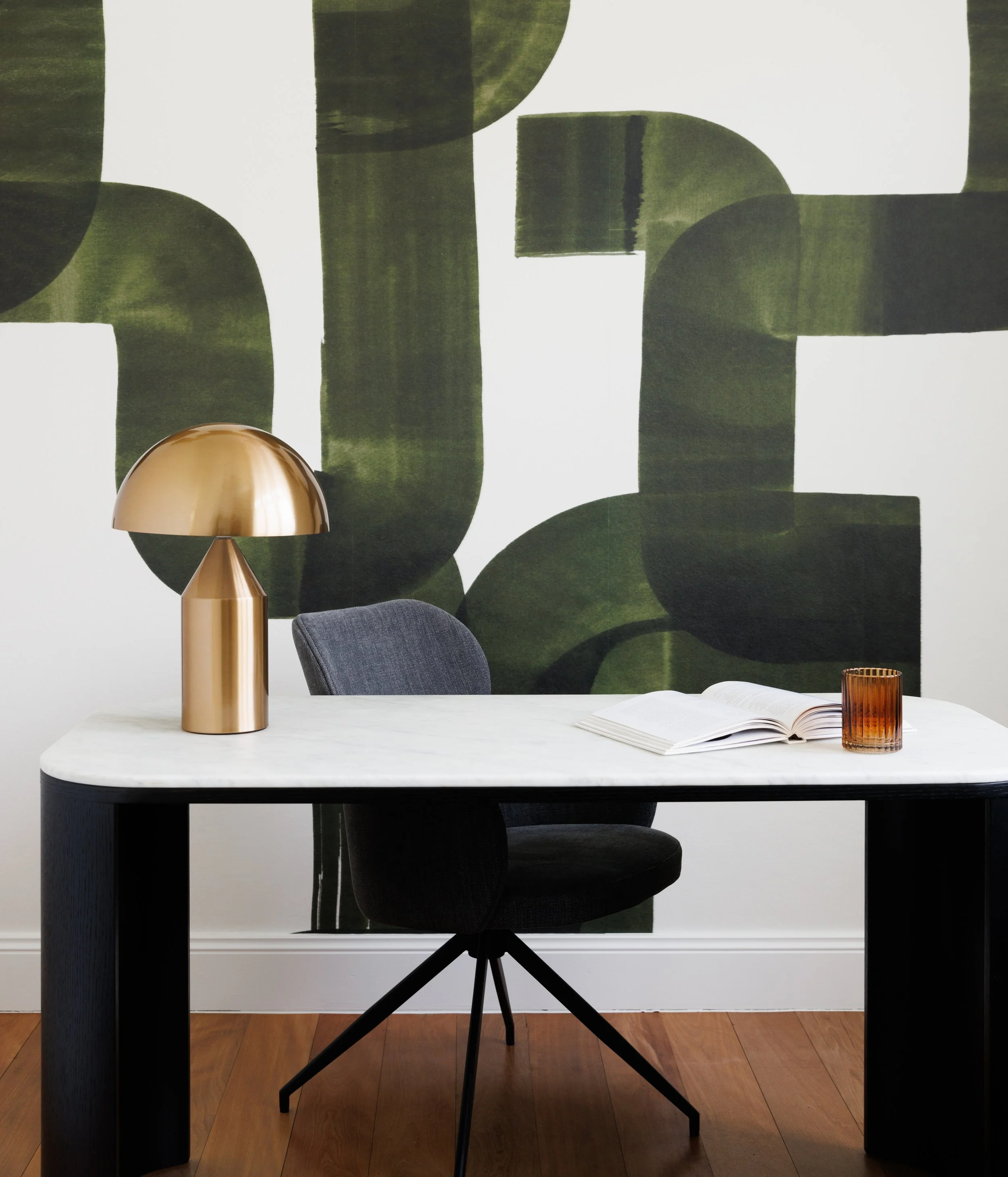
At Heliconia, we’ve always believed that great design is more than a pretty picture, “latest trend” or a seasonal palette. It's a reflection of how we live, how we want to feel, and how our homes respond to the realities of the world around us.
In recent years, global uncertainty, economic fluctuations and evolving priorities have already begun to reshape the way we conceive of our living environments. In 2026, we believe these forces will become even more defining.
Rather than offering a roundup of the latest looks or trend predictions for the year, we want to talk about what design is becoming… what it’s for, what it means, and how it’s manifesting in real homes and real lives.
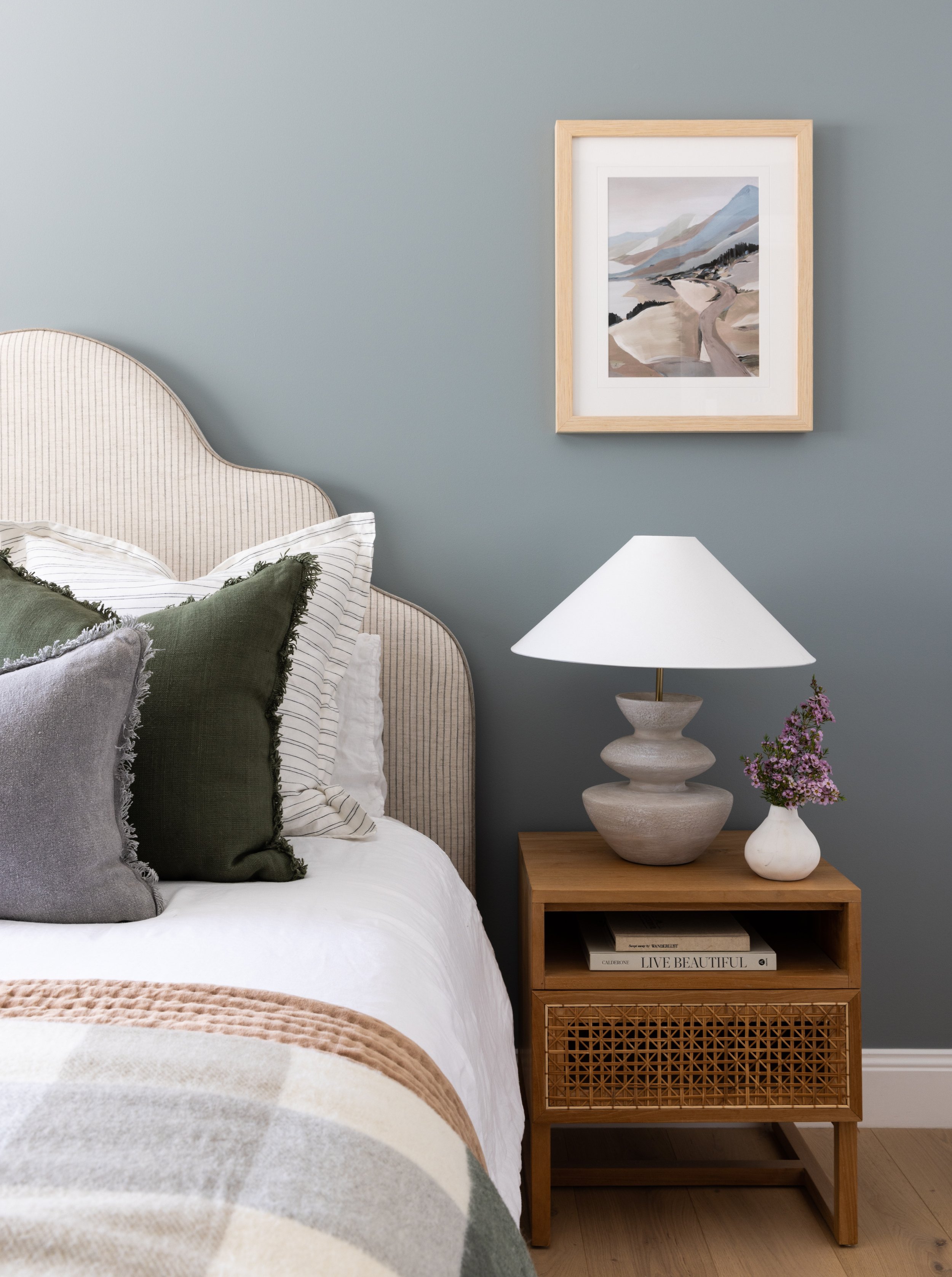
1. Design as an Anchor in Uncertain Times
The last few years have reminded us that the home is more than shelter, it’s where we work, rest, connect and recover. Economic pressures and global instability have made us more thoughtful about how we invest in the spaces we inhabit. Instead of chasing fleeting styles, we’re seeing a collective turn toward design that endures: pieces that are well-made, materials that age beautifully, spaces that adapt as needs change, and finishes that feel timeless rather than temporary. It’s a philosophy not far from the “buy less, buy better” mentality we talked about for 2025.
In 2026, this ethos has matured. People are asking: How will this space feel in five years? Ten years? As my family grows or shrinks? Good design is no longer a luxury; it’s a pragmatic investment in daily life enrichment and wellbeing.
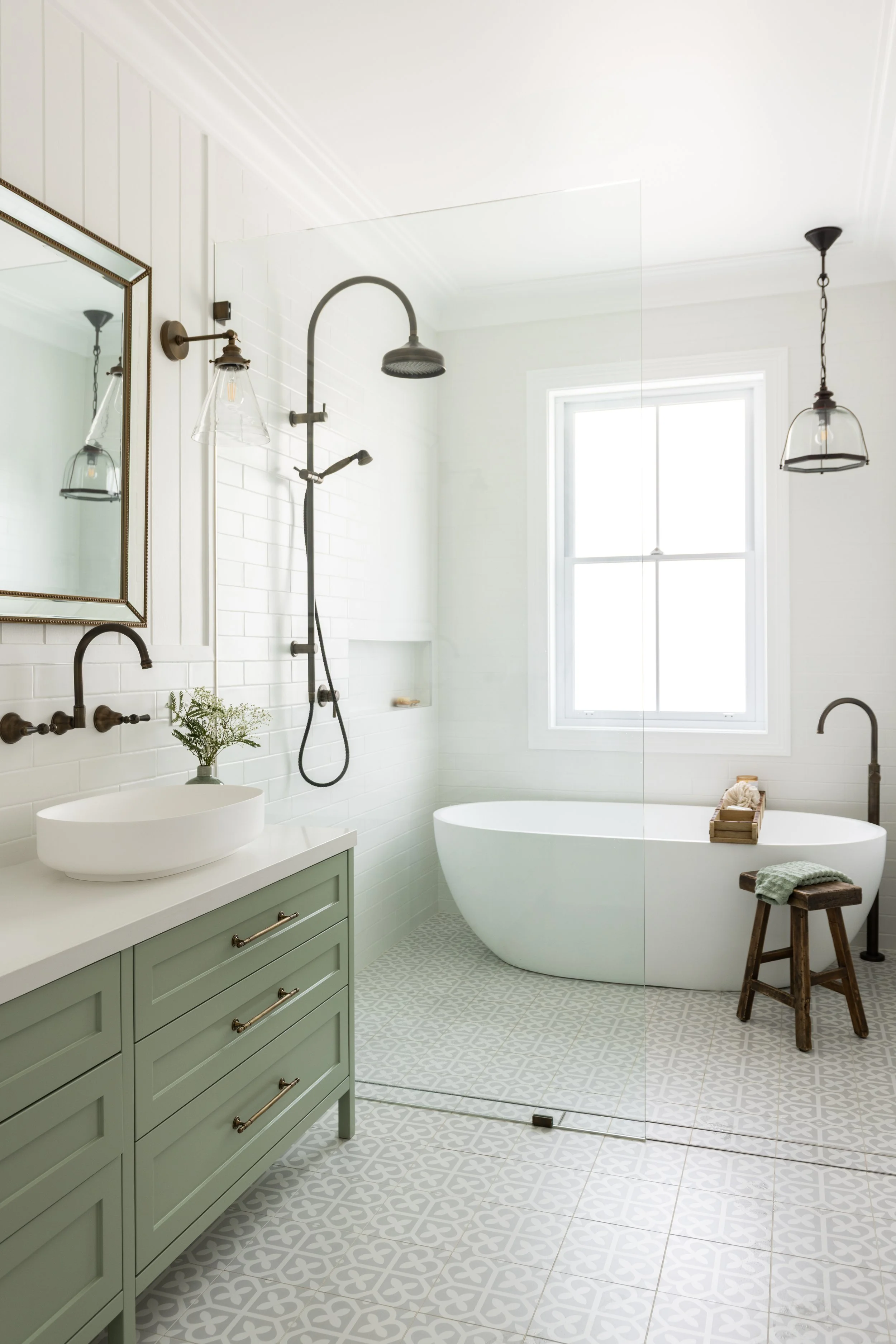
2. Colour and Material Choices with Purpose
In a world that’s been dominated by neutral minimalism for much of the past decade, we’re now seeing colour and materials shift meaningfully. Deep, emotive hues such as indigo, terracotta and moody greens aren’t here because they’re “on trend,” they’re here because they shape mood and atmosphere in ways neutrals simply don’t. These colours can ground a space, create warmth, and make rooms feel intentional.
Likewise, materials with texture and soul such as stone with natural variation, timber with grain and patina and glass with depth are gaining prominence. In uncertain times, there's comfort in the tactile, reassurance in the authentic, and inspiration in the craftsmanship and longevity.
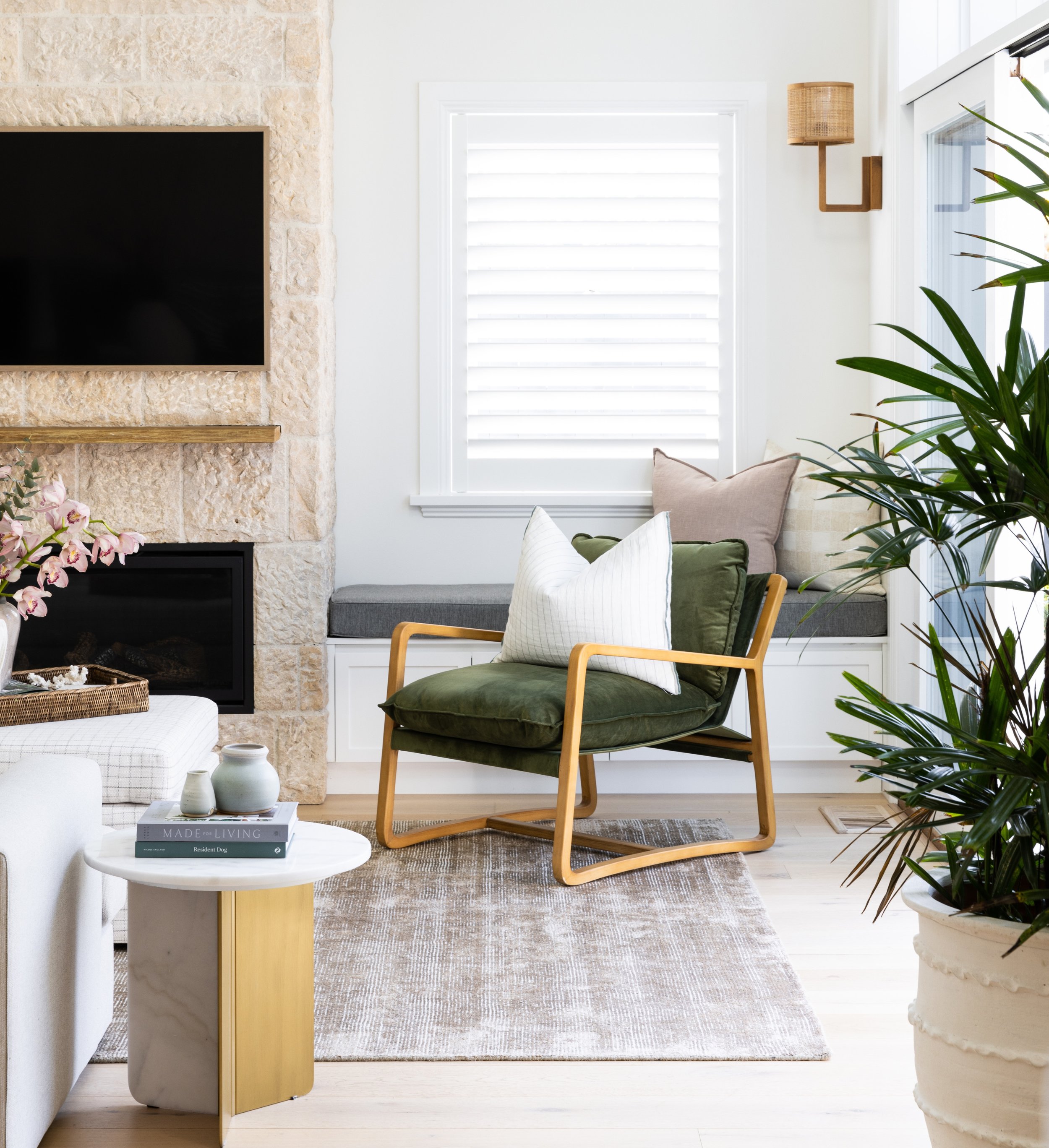
3. Multifunctional & Resilient Spaces
Homes in 2026 are fluid. The places where we sleep, work, exercise or entertain are no longer defined by a blueprint from a decade ago. They’re layered and adaptable, responding to hybrid work, wellness habits, multi-generation living and evolving routines. We’re specifying layouts, lighting and storage solutions that can flex, not just look magazine-worthy or ‘instagram-able’.
Design thinking is now as much about purposeful ergonomics and adaptive function as it is about aesthetics.
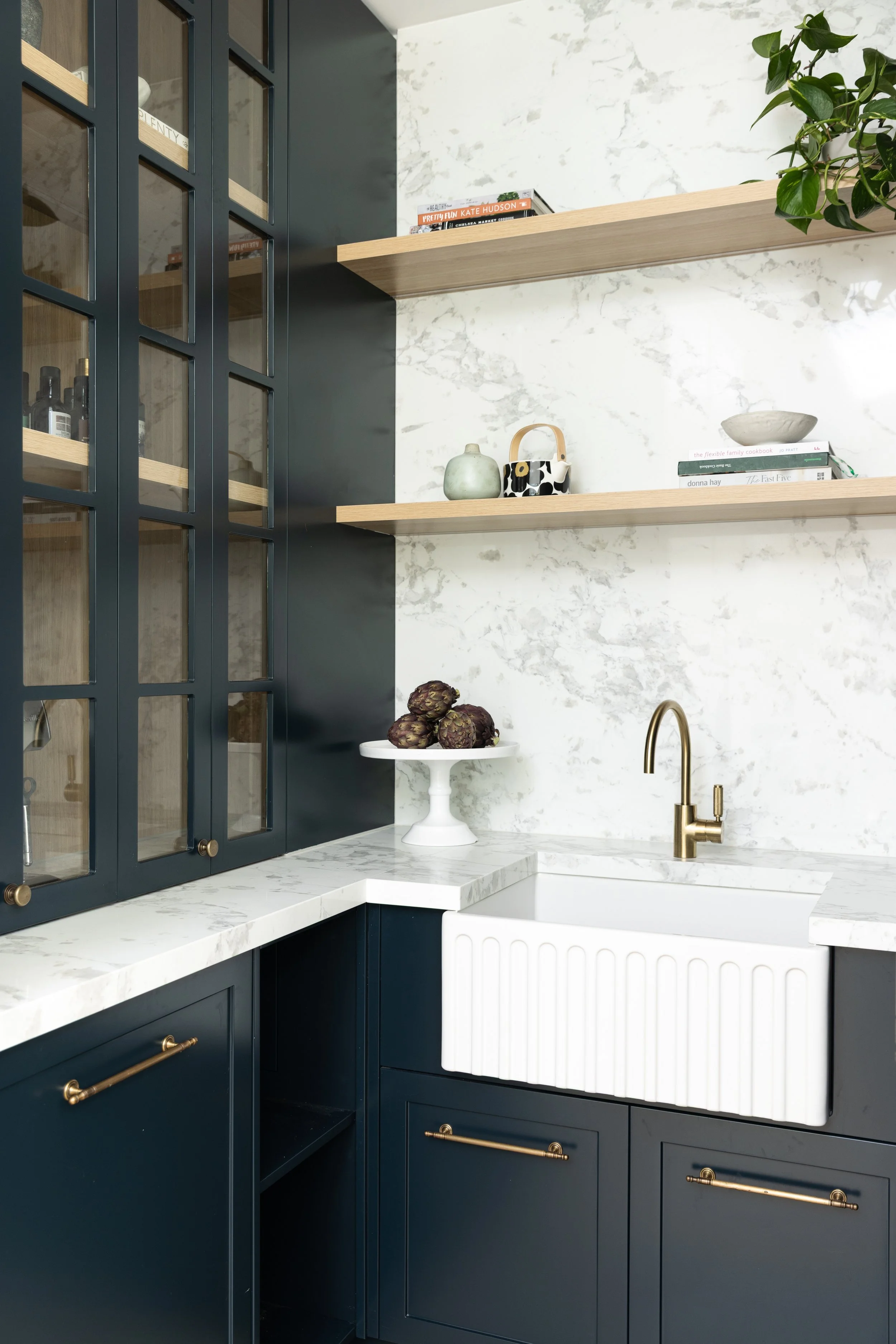
4. Emotional Well-Being as a Design Priority
Psychology and interiors have always overlapped, but in 2026 that overlap becomes a cornerstone of good design. People are investing in spaces that ground them, calm nervous systems, and create sanctuary. Whether it’s a bedroom that invites rest or a living area that encourages connection rather than distraction.
Every material choice, from soft textiles to rounded forms, from soothing palettes to layered lighting, is being evaluated, and specified, for how it makes us feel. This isn’t superficial. It’s a response to a world where stress is embedded in daily life. Spaces that support emotional health aren’t indulgent anymore, they’re essential.
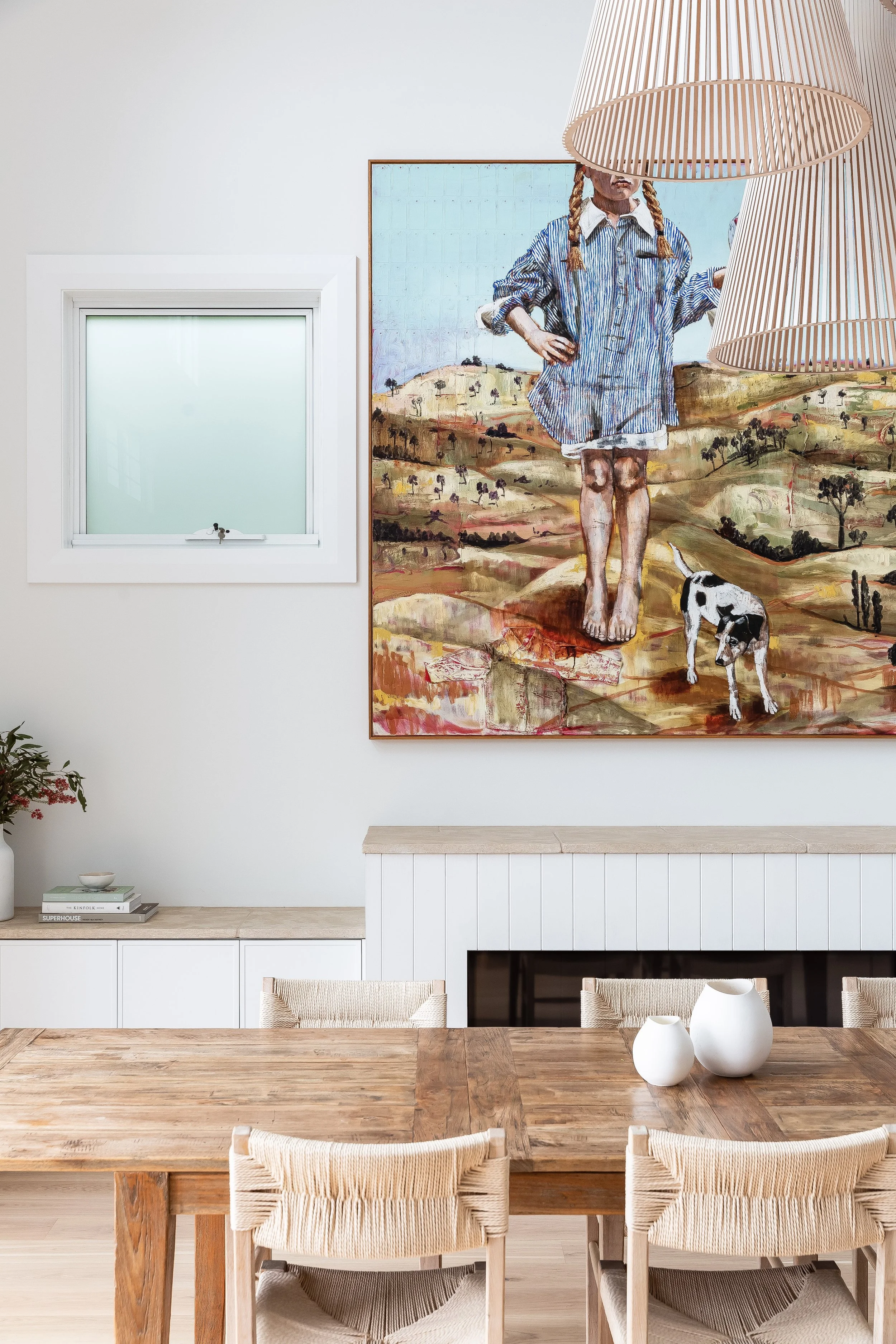
5. Personal Narrative Over Mass Production
We’ve been saying for a while that individuality matters more than uniformity, and 2026 is the year that belief takes it up a notch. Homes are no longer places that match a catalogue showroom. They are extensions of identity, memory and story, curated over time, not assembled from a checklist.
This means:
treasured heirlooms sitting alongside contemporary pieces
second-hand finds reimagined and refreshed
artworks and objects that spark joy and conversation
Design is becoming less about what is popular now and more about what resonates deeply with the people who live there.
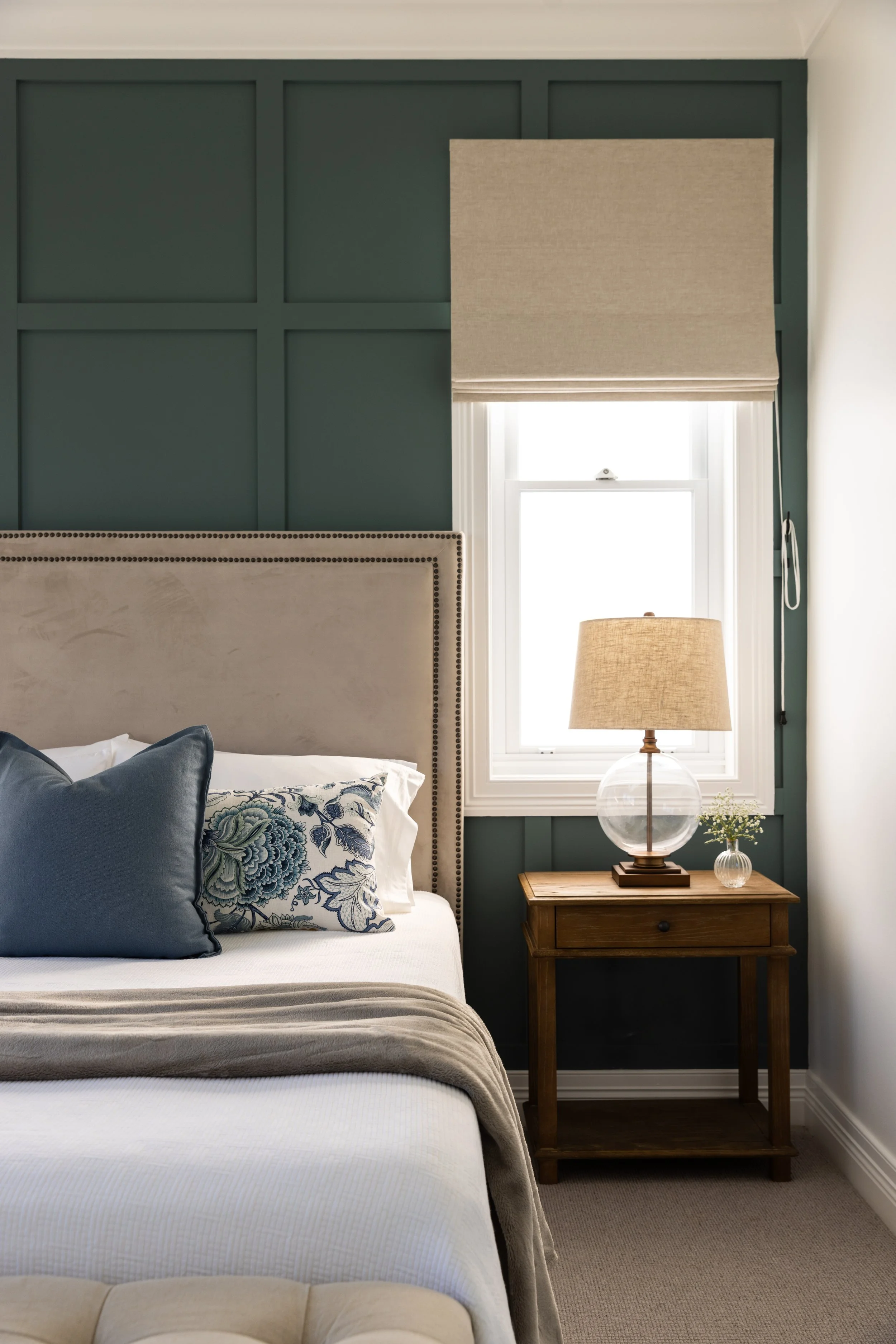
6. A More Considered Approach to Purchase Decisions
The economic context can’t be ignored when considering the role of design in our lives in 2026. While the desire for beautiful spaces hasn’t diminished, budgets are tighter, and decisions are more strategic. Homeowners are increasingly sceptical of fast furniture and disposable décor, leaning instead towards quality, sustainability and longevity. It’s a shift away from consumption as recreation, and toward consumption as investment. Pieces and finishes that matter, that last, and that feel good in more ways than one.
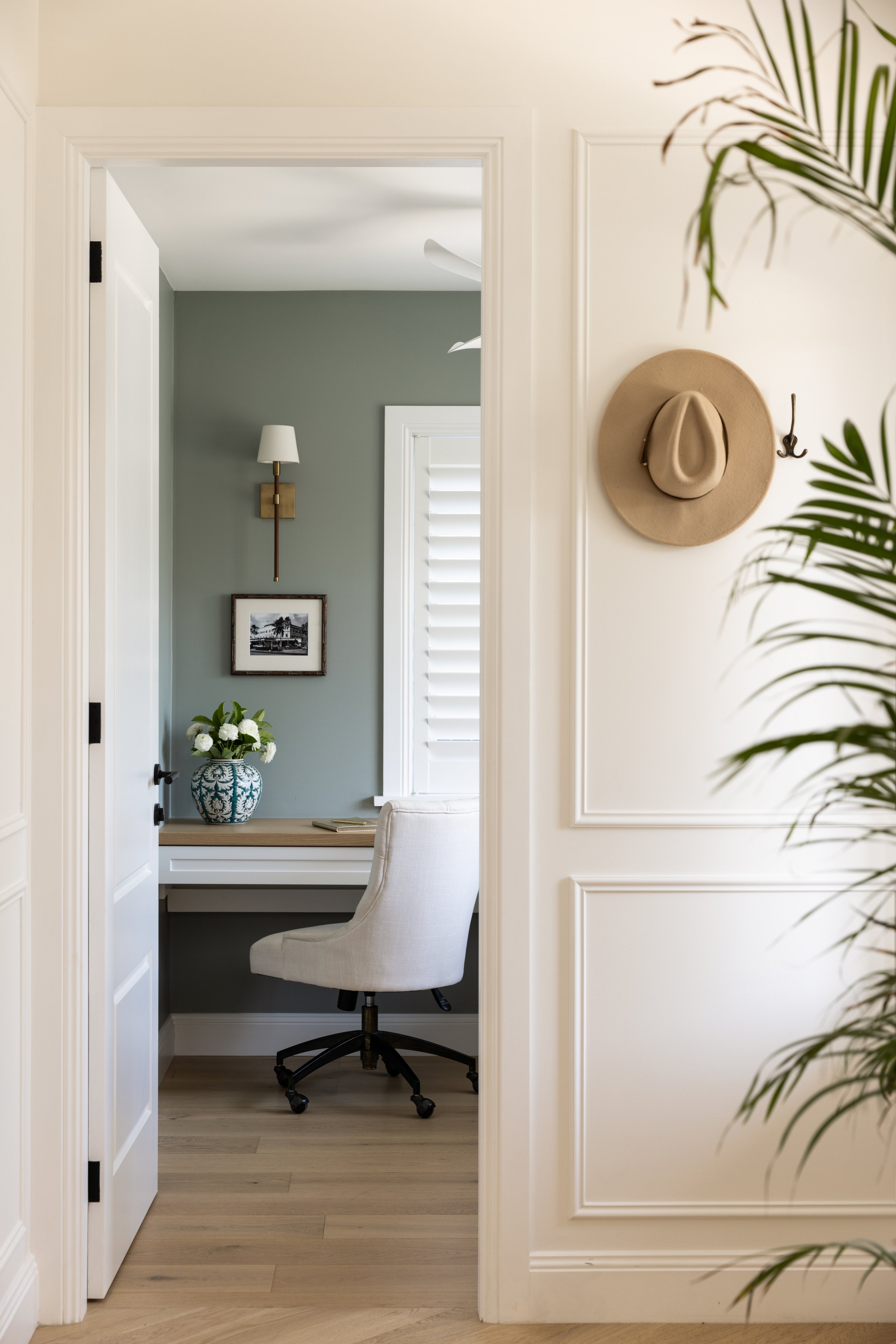
Looking Ahead: Design with Intention
In 2026, the interiors landscape isn’t defined by a handful of seasonal colours or signature pieces. It’s defined by a deeper set of values:
resilience over novelty
comfort over spectacle
authenticity over conformity
well-being over whimsy
At Heliconia, this is exactly where we’ve been headed: designing spaces that aren’t just beautiful, but life-enriching. Homes that withstand the test of time, not just the trends of the season, and environments that help people live better, not just prettier.
If design is about shaping the backdrop of life, then 2026 is the year we make spaces that truly support the stories being lived within them.